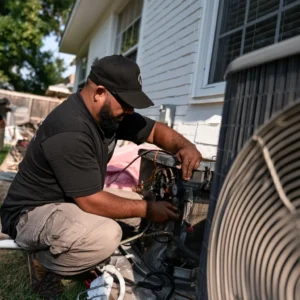



Indoor air pollution levels often reach 2 to 5 times higher concentrations than outdoor air. Dirty air ducts create serious health problems for millions of families who remain unaware of the contaminated air circulating through their homes every day.
At Texas Reliable Services in Austin, we understand the severe consequences of neglected ductwork. The typical home loses approximately 20% of conditioned air through holes, leaks, and improperly installed ducts. What happens when air ducts remain uncleaned extends far beyond energy waste—dirty air ducts can cause health problems ranging from minor irritations to severe respiratory conditions.
Can dirty vents cause allergies? Absolutely. Contaminated air ducts significantly compromise indoor air quality by harboring dangerous allergens and contaminants such as mold, bacteria, and dust mites that trigger respiratory problems and allergic reactions. Exposure to unclean air ducts can worsen pre-existing respiratory conditions like asthma.
We understand the physical, emotional, and financial toll that poor indoor air quality can take on your family. This article examines how neglected ductwork affects your family’s wellbeing, identifies specific health risks dirty air ducts create, and demonstrates how proper maintenance protects your loved ones while potentially reducing energy bills by 20% to 30%.
How Dirty Air Ducts Affect Your Family’s Health
Hidden dangers in your home’s air duct system create serious threats that extend far beyond reduced HVAC efficiency. Contaminated ducts continuously circulate pollutants throughout your living space with each heating or cooling cycle, creating dangerous conditions for health complications.
Mold Spores and Respiratory Irritation
Moisture accumulation in ductwork creates ideal breeding grounds for mold colonies. Once established, these fungi release microscopic spores into your home’s air circulation system. The health impacts include:
-
Immediate respiratory symptoms – coughing, wheezing, and throat irritation
-
Severe breathing difficulties – particularly dangerous for individuals with asthma or compromised immune systems
-
Chest tightness – often the first sign of mold exposure
Prolonged exposure to certain mold varieties, particularly black mold, can lead to serious conditions such as bronchitis or fungal infections in the lungs. Some molds produce mycotoxins—dangerous compounds that cause neurological problems and chronic fatigue when inhaled regularly.
Dust Mites and Allergy Flare-Ups
Your ductwork harbors countless dust mites—microscopic creatures that feed on dead skin cells and thrive in warm, humid environments. These tiny pests produce waste particles and body fragments that become airborne when distributed through your ventilation system.
Family members may experience persistent allergy symptoms including:
-
Sneezing and runny nose
-
Itchy eyes and skin rashes
-
Immune system strain
Children and elderly individuals typically show heightened sensitivity to these allergens. For those with dust mite allergies, contaminated ducts can transform your home from a sanctuary into a constant source of discomfort.
Rodent Droppings and Bacterial Exposure
Unsealed or damaged ducts provide entry points for rodents seeking shelter. These unwelcome visitors leave behind droppings, urine, and hair that contain harmful bacteria and viruses. When your system activates, these contaminants become airborne particulates circulating throughout your home.
Exposure to these biological pollutants can cause serious illnesses including:
-
Hantavirus
-
Salmonellosis
-
Leptospirosis
Even after pests are removed, their waste residue remains in ductwork, continuing to contaminate your indoor air unless professionally cleaned.
Can Dirty Air Ducts Make You Sick?
The answer is yes. The cumulative effect of contaminated ductwork manifests in various health issues ranging from minor irritations to chronic conditions. Family members may experience:
-
Unexplained headaches
-
Unusual fatigue
-
Persistent cold-like symptoms that never seem to resolve
Those with pre-existing respiratory conditions face particularly high risks as dirty ducts can trigger asthma attacks and exacerbate COPD symptoms. Children, whose developing respiratory systems are more vulnerable, often show the first signs of health impacts from poor indoor air quality.
These health issues typically develop gradually, making it difficult to identify your air ducts as the source until problems become severe. Regular professional cleaning eliminates these hidden health hazards before they impact your family’s wellbeing.
The Hidden Costs of Neglected Air Ducts
Neglected ductwork creates problems that extend far beyond health concerns—dirty ducts damage your HVAC system and drain your bank account. The U.S. Department of Energy reports that approximately 25% to 40% of energy used for heating or cooling your home gets wasted when air ducts remain dirty.
Rising Energy Bills and System Strain
Dust and debris accumulation in ductwork creates significant barriers to proper airflow. This restriction forces your HVAC system to operate longer and work harder to maintain comfortable temperatures throughout your home. Studies demonstrate that dirty ductwork increases energy consumption by 20% to 40%.
We have witnessed countless homeowners puzzled by their escalating utility bills despite maintaining identical thermostat settings. The culprit often proves to be clogged air ducts forcing the system to compensate for poor circulation. According to the National Renewable Energy Laboratory, HVAC systems with dirty air ducts experience 15% less airflow than systems with clean ducts, resulting in a 21% increase in energy usage.
Persistent Odors and Contaminated Air
Dirty ducts continuously recirculate contaminants throughout your living spaces. You might notice persistent musty or stale odors despite regular household cleaning. These unpleasant smells typically originate from:
-
Mold and mildew growth in damp ductwork
-
Rodent droppings or decomposing pests inside ducts
-
Accumulated pet dander and dust
-
Bacterial growth in high-humidity conditions
These odors indicate that pollutants circulate with every heating or cooling cycle. The EPA notes that indoor air can reach up to five times more polluted than outdoor air, a situation that dirty ductwork makes significantly worse.
Accelerated Equipment Failure and Repair Costs
Dirty air ducts significantly reduce your system’s operational lifespan. When components like blower motors and heat exchangers must work harder to overcome airflow restrictions, they experience accelerated wear and tear.
The National Air Duct Cleaners Association estimates that 90% of HVAC system failures result from dirt and debris buildup. This excessive strain creates several costly consequences:
-
Premature component failure
-
Frequent system breakdowns
-
Higher repair costs
-
Earlier replacement of the entire system
Regular duct cleaning protects both your family’s health and your HVAC investment while reducing long-term operating costs. The decision to maintain clean ducts becomes not just a health consideration—it’s a sound financial strategy that prevents unnecessary expenses.
How Texas Reliable Services Solves These Problems
At Texas Reliable Services, we employ proven methods to eliminate contaminants and restore optimal air quality to your home. Our approach addresses both immediate concerns and underlying issues that contribute to dirty air ducts health problems.
Professional Duct Cleaning and Inspection
Our duct cleaning process begins with a thorough inspection to identify contamination sources. We utilize specialized equipment including HEPA-filtered vacuums that remove contaminants without releasing them back into your home. The cleaning process involves:
-
Powerful vacuum systems connected directly to your ductwork
-
Compressed air flush technology that dislodges stubborn debris
-
Cleaning of furnace components, evaporator coils, and vent covers
This approach removes up to 40 pounds of dirt, dust, and particles that typically collect in home ductwork annually. Professional cleaning prevents the recirculation of harmful pollutants that contribute to respiratory issues.
Duct Sealing to Prevent Leaks and Contaminants
Unsealed ducts act as open doors for pollutants to enter your living space. Our duct sealing services provide three key benefits:
-
Prevent harmful contaminants including dust, mold spores, and insulation particles from entering your system
-
Eliminate risks associated with backdrafting of combustion gases
-
Improve overall HVAC efficiency by preventing conditioned air loss
Properly sealed ducts reduce airborne contamination, creating a healthier environment for those suffering from asthma or allergies. The process protects your family from potential hazards associated with poor ductwork integrity.
Duct Replacement for Aged or Moldy Systems
When permanent water damage or visible mold growth occurs, replacement becomes necessary instead of cleaning. We identify whether your system requires replacement by looking for:
-
Slime or microbial growth visible in ducts
-
Permanent water damage that cannot be remediated
-
Compromised fiberglass duct board or lining
For wet or moldy fiberglass duct material, both EPA and industry experts recommend replacement rather than cleaning as the appropriate solution.
Emergency HVAC Services in Austin and Surrounding Areas
We understand that HVAC emergencies don’t follow a schedule. We provide 24/7 emergency services throughout Austin and surrounding areas. Our rapid response team arrives quickly to address urgent issues, especially during summer heat waves when AC failures can pose serious health risks. Our technicians receive extensive training to handle any emergency situation effectively.
Protecting Your Family Through Proper Duct Maintenance
Proactive maintenance serves as your strongest defense against dirty air ducts health problems. Simple yet effective routines can significantly reduce contaminants and maintain healthier indoor air between professional cleanings.
Change Air Filters Every 1–3 Months
Filter replacement frequency depends on several key factors. Homes with pets require filter changes every 60 days, while households with multiple pets or allergy sufferers should replace filters every 20-45 days. Filter type also affects longevity—fiberglass filters typically need monthly replacement, while pleated filters can last up to 90 days.
Check your filter’s condition monthly by holding it up to light—if light doesn’t pass through, it’s clogged and needs immediate replacement. Maintaining clean filters can increase your system’s efficiency by 5-15%.
Schedule Routine Duct Inspections
Industry standards recommend ductwork inspections at least once annually. Professional inspections identify early warning signs of contamination before they escalate into costly problems. After major home renovations or if you suspect mold or pest issues, immediate inspections become necessary.
Watch for Signs of Moisture or Mold
Moisture creates ideal conditions for mold growth, which can trigger serious respiratory issues. Check for water leakage throughout your home regularly, paying particular attention to areas near HVAC components. Consider investing in UV lights for your system to prevent mold at its source. If you discover any mold growth, stop immediately and call professionals—DIY methods prove ineffective for mold remediation.
Use High-Efficiency Air Filters
MERV (Minimum Efficiency Reporting Value) ratings indicate filtration effectiveness. For most homes, filters with MERV ratings between 8-13 provide optimal balance between filtration and airflow. HEPA filters, with their ability to remove 99.97% of airborne contaminants, benefit those with respiratory conditions significantly.
Improve Home Ventilation with Exhaust Fans
Proper ventilation reduces moisture and pollutant buildup. Run bathroom exhaust fans during use to minimize mold formation. Kitchen exhaust fans should operate whenever cooking to remove smoke and cooking fumes. For optimal protection, consider installing ducted exhaust fans that remove pollutants and excess moisture directly from your indoor environment.
Conclusion
Protect Your Family’s Health With Clean Air Ducts
Dirty air ducts silently compromise your family’s health every day. Contaminated ductwork circulates harmful pollutants including mold spores, dust mites, and even rodent droppings throughout your home. These contaminants trigger allergies, respiratory issues, and potentially serious health conditions, especially for vulnerable family members.
Neglected air ducts force your HVAC system to work harder, waste energy, and ultimately fail prematurely. Your monthly utility bills reflect this inefficiency, often increasing by 20-40% when ducts remain dirty. This financial burden compounds over time as components wear out faster, requiring costly repairs or complete system replacement.
These problems remain preventable with proper maintenance. Regular professional cleaning eliminates accumulated contaminants, seals dangerous leaks, and restores optimal airflow throughout your home. Your family deserves to breathe clean, healthy air free from hidden pollutants.
At Texas Reliable Services, we witness firsthand how clean air ducts transform homes from sources of illness to sanctuaries of health. Our approach addresses both immediate contamination and underlying issues that compromise indoor air quality. Proper duct maintenance protects not just your family’s respiratory health but also your HVAC investment.
The air your family breathes matters. Simple preventative measures like regular filter changes, routine inspections, and professional cleanings significantly reduce health risks while extending your system’s lifespan. These practical steps create noticeable improvements in indoor air quality and overall well-being.
Don’t let contaminated air ducts continue threatening your family’s health. Contact Texas Reliable Services today at (512) 609-8103 to schedule a thorough duct inspection and cleaning. Your family’s health cannot wait, especially if you notice persistent allergies, unexplained respiratory symptoms, or rising energy bills.
Clean ducts mean healthier families and more efficient homes. Take action today to protect what matters most.
FAQs
Q1. Can dirty air ducts make you sick? Yes, dirty air ducts can potentially make you sick. They can harbor contaminants like mold spores, dust mites, and bacteria, which when circulated through your home, may trigger allergies, respiratory issues, and other health problems, especially in people with pre-existing conditions.
Q2. How often should air ducts be cleaned? Air ducts should typically be inspected and cleaned every 3-5 years. However, more frequent cleaning may be necessary if you have pets, live in a dusty area, or if someone in your household has allergies or respiratory issues. It’s best to consult with a professional to determine the right schedule for your home.
Q3. What are the signs that air ducts need cleaning? Signs that your air ducts may need cleaning include visible dust or debris coming from vents, increased allergy symptoms, musty odors when the HVAC system is running, and higher than usual energy bills due to reduced system efficiency.
Q4. How does duct cleaning improve energy efficiency? Clean air ducts improve energy efficiency by allowing air to flow more freely through your HVAC system. When ducts are clogged with dust and debris, your system has to work harder to maintain desired temperatures, leading to increased energy consumption and higher utility bills.
Q5. What should I do to maintain clean air ducts between professional cleanings? To maintain clean air ducts between professional cleanings, regularly change your HVAC filters (every 1-3 months), use high-efficiency air filters, keep your home clean to reduce dust, run exhaust fans in bathrooms and kitchens to control moisture, and schedule annual HVAC system maintenance.