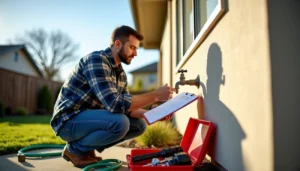



Here’s a surprising fact – 10% of U.S. homes have hidden leaks their owners haven’t noticed yet.
Some plumbing problems need a professional right away, but you can fix many common issues yourself with basic DIY solutions. The trick is knowing whether you’re dealing with a minor fix or a serious emergency that could cost you time and money.
Your clogged drains and leaking sinks might have simple solutions you can try before calling a plumber. Gas leaks and burst pipes need professional help immediately – these aren’t DIY territory. The stakes are high, considering gas-related plumbing issues cause about 17 deaths each year in the USA.
Plumbing problems can be stressful, and we know how confusing it can be to decide what to do. That’s why we’ve put together this detailed guide. You’ll learn exactly when to pick up your tools and when to call a professional, whether you’re fixing a dripping faucet or handling an emergency.
Let’s head over to everything a homeowner should know about tackling common plumbing problems.
Common Plumbing Emergencies vs Non-Emergencies
You can save money and reduce stress by knowing the difference between a real plumbing emergency and a minor problem. A plumbing emergency happens when your health, safety, or property faces immediate risks.
What constitutes a plumbing emergency
Your safety faces immediate danger or your property risks serious damage during a plumbing emergency. To cite an instance, see how a burst pipe can release up to 200 gallons of water in just one day. The Environmental Protection Agency reports that all but one of these homes in America lose 90 gallons of water daily because of leaky pipes.
Signs you need to call a plumber immediately
These situations need professional help right away:
- Gas Odors: The moment you smell something sulfurous, get out and call an emergency plumber
- Sewage Backups: Raw sewage creates serious health risks that need quick action
- Burst Pipes: Your home’s structure could fail, with ceilings collapsing and walls weakening
- Water Heater Failures: This becomes a vital concern in cold climates or if you smell gas
- Flooding: Mold starts growing in standing water within 24-48 hours
Issues that can wait for regular business hours
Plumbing problems that don’t risk your health or property can usually wait until normal business hours. A dripping faucet might drive you crazy, but it’s not an emergency. A sink that drains slowly or a toilet that keeps running can also wait for regular service hours.
A clogged toilet isn’t urgent if you have another bathroom to use. You can manage minor leaks with a bucket until regular service hours. In spite of that, these issues need fixing soon because small problems grow bigger – even tiny leaks can cause mold or rot your wood if left alone.
Essential Plumbing Tools Every Homeowner Needs
The right tools can make the difference between a successful DIY repair and a repair that gets pricey. You need proper equipment to make plumbing tasks easier and to work safely and efficiently.
Simple plumbing tools and supplies
Your home plumbing toolkit should have these key items:
- Pipe Wrench Set: You’ll need two wrenches – one holds the pipe steady while the other turns
- Basin Wrench: You can’t work without this tool that reaches nuts behind sinks with its spring-loaded clamping jaw
- Adjustable Wrench: This works great for different bolt and nut sizes without damaging chrome finishes
- Pliers: Tongue-and-groove pliers help you grip and turn pipes
- Plumber’s Tape: This creates watertight seals on threaded connections
- Hacksaw: You’ll need this to cut through pipes and other materials
How and when to use each tool
The pipe wrench helps you handle tasks that need extra force, like loosening rusted fittings. Basin wrenches are perfect for those tight spots under sinks where regular tools just won’t fit. Your adjustable wrench takes care of simple tasks like replacing faucets or showerheads.
Pliers are a great way to get a good grip on small objects and keep pipes steady during repairs. Remember to wrap plumber’s tape clockwise around pipe threads to stop any leaks.
Safety equipment recommendations
Safety should be your top priority for any plumbing project. Eye protection is vital since you might deal with chemical cleaners and bacteria-filled water. Quality safety glasses protect your eyes during potentially dangerous tasks.
You need heat-insulating work gloves with latex gloves underneath to guard against biohazards. Non-slip shoes are a must because water makes floors slippery.
A respirator becomes essential in crawl spaces or areas that might have mold. Back and knee protection helps prevent injuries while working in tight spaces or odd positions.
Keep all your safety gear in top shape. Tools with ground fault circuit interrupters reduce shock risks in wet areas.
DIY Solutions for Minor Plumbing Issues
You can save money and time by fixing simple plumbing problems yourself. The right knowledge will help you handle these common household issues.
Step-by-step fixes for clogged drains
Natural solutions work great for a clogged drain. Start by pouring boiling water down the drain to break up grease. Mix one cup of baking soda with one cup of vinegar and water solution. The drain needs to be covered for 5-10 minutes. Another pot of boiling water will flush everything away.
A plunger remains your best friend for stubborn clogs. Make sure you get a tight seal over the drain opening and pump hard for 20-30 seconds. This pressure and suction usually breaks up any packed debris or hair.
Troubleshooting leaky faucets
Your dripping faucet’s mechanism probably has worn-out parts. Damaged washers, loose O-rings, or a corroded valve seat are the usual suspects.
Here’s how to fix a leaky faucet:
- Turn off the water supply under the sink
- Loosen the set screw to remove the handle
- Pull out the cartridge or stem
- Put in new parts to replace worn ones
- Put everything back together carefully
Dealing with running toilets
A toilet that keeps running can waste 200 gallons of water each day. The flapper or flush valve usually causes this headache. Your toilet might have a bad floater switch or stop valve.
The flapper needs checking for wear or warping. Water leaks from the tank into the bowl and causes extra refills if the flapper’s seal isn’t perfect. The chain between the flush lever and flapper might need adjusting – it should have just enough slack.
You might get temporary relief by jiggling the handle until permanent repairs can be made. A new flushing mechanism costs less than USD 20.00 and often solves the problem completely.
When Professional Help is Required
Professional plumbers go through years of training and certification. They learn to handle complex plumbing issues safely. Their expertise is vital when you face serious plumbing problems beyond simple fixes.
Signs of serious plumbing problems
You should watch out for these warning signs that tell you it’s time to call a professional:
- Multiple slow-draining fixtures throughout the house
- Sewage odors or foul smells from drains
- Water discoloration or unusual taste
- Persistent low water pressure
- Visible water damage on walls or ceilings
- Strange sounds in the plumbing system
- Unexplained increase in water bills
Risks of DIY repairs gone wrong
We learned that complex plumbing repairs without proper knowledge can cause severe damage. Water damage from botched repairs can cost thousands of dollars and disrupt your daily life. Bad handling of gas lines can be life-threatening with risks of explosions or carbon monoxide poisoning.
DIY mistakes often void warranties and create insurance problems. The risk of contamination grows when sewage isn’t handled properly or you’re exposed to harmful substances. Your attempt to save money will guide you toward more expensive repairs.
How to find a reliable plumber
Finding a trustworthy plumber takes some research, but doing this will give you great results. Start by checking the plumber’s qualifications. They should have finished a 4-5 year apprenticeship program and passed trade knowledge exams.
A professional plumber needs two types of insurance: workers’ compensation and liability coverage. Workers’ comp protects you if someone gets hurt on your property. Liability insurance covers accidental damage during repairs.
Real estate agents keep lists of reliable plumbers that can help you find the right person. A plumber’s membership in organizations like the Plumbing-Heating-Cooling Contractors Association shows their dedication to quality.
Ask for detailed written estimates that break down labor and material costs before hiring. Good plumbers back their work with warranties and guarantees for future issues. They should also show proof of licensure and insurance when you ask.
Preparing for the Plumber Service Call
Good preparation makes the most important difference when a plumber visits your home. You can ensure a smooth service by organizing information and getting your space ready.
Documentation needed
Start by gathering all details about your plumbing problem. Take clear photos of affected areas and visible damage. Keep records of previous repairs or maintenance work done on your plumbing system handy. Know where your main water valve and water heater are located before the service call – this saves valuable time during the visit.
The plumber needs to know how long and how often the problem has occurred. Let them know about any DIY fixes you’ve tried. This information helps them plan the right approach to fix your issue.
Area preparation tips
We recommend clearing the workspace around affected plumbing areas. Move items away from under sinks, toilets, or water heaters. You should cover any sensitive areas that might get damaged during repairs.
Make sure your plumber can easily access the main water valve and other vital plumbing fixtures. A clean workspace around the area that needs inspection or repairs helps plumbers spot problems faster.
Questions to ask your plumber
Your service call will go better when you ask the right questions. Here’s what you should discuss:
- Licensing and Insurance: Check their current license status and insurance coverage
- Experience: Learn about their expertise with your type of plumbing issue
- Cost Breakdown: Get detailed estimates for labor and materials
- Timeline: Find out the expected completion time and possible complications
- Warranty: Ask about work guarantees and parts warranties
- Payment Options: Learn about accepted payment methods and timing
- Emergency Services: Check their availability for after-hours emergencies
- Maintenance Tips: Get advice to prevent future issues
Quality plumbers will give you clear answers about their qualifications and pricing. They appreciate clients who come prepared with relevant questions and documentation. This helps them provide accurate solutions and estimates.
Conclusion
Plumbing problems can range from small annoyances to serious emergencies. Every homeowner should understand how to handle these situations. Simple tools and knowledge can help you manage many common problems yourself. You should know when you just need professional help to protect your safety and property.
The best approach involves keeping the right tools handy and watching for signs of serious plumbing issues. Quick action and good preparation will stop small problems from getting pricey.
Texas Reliable Services helps Austin residents with expert plumbing solutions. Their team combines technical expertise with outstanding customer care. They handle everything from routine maintenance to complex emergency repairs and will give lasting solutions for any plumbing challenge. You can reach them at (512) 609-8103 for reliable, professional service that puts your needs first.
Successful plumbing maintenance needs both DIY skills and professional support. These guidelines will protect your home while saving time and money. A trusted plumbing partner will give you peace of mind when serious issues arise.
FAQs
Q1. What are some essential steps to take before calling a plumber?
Before calling a plumber, try some simple DIY solutions like using a plunger for clogged drains or tightening loose connections. Clear the work area, gather information about the problem, and locate your main water valve. If these steps don’t resolve the issue, then it’s time to call a professional.
Q2. What are the most common plumbing issues homeowners face?
The most frequent plumbing problems include dripping faucets, leaky pipes, running toilets, low water pressure, and clogged drains. Many of these issues can be addressed with basic tools and knowledge, but persistent problems may require professional attention.
Q3. How can I distinguish between a plumbing emergency and a non-emergency?
Plumbing emergencies typically involve immediate risks to health, safety, or property. Examples include gas leaks, sewage backups, burst pipes, and significant flooding. Non-emergencies, like a slowly dripping faucet or a mildly clogged drain, can usually wait for regular business hours.
Q4. What basic plumbing tools should every homeowner have?
Essential plumbing tools for homeowners include a pipe wrench set, basin wrench, adjustable wrench, pliers, plumber’s tape, and a hacksaw. Additionally, safety equipment like eye protection, gloves, and non-slip shoes are important for DIY plumbing tasks.
Q5. How long are plumbers typically responsible for their work?
The duration of a plumber’s liability for their work can vary depending on local regulations and the specific agreement. Generally, plumbers offer warranties on their work, which can range from a few months to several years. It’s important to discuss warranty terms and get them in writing before the work begins.