



Here’s something that might shock you – homes and buildings eat up 40% of all energy used in the US, with most of that energy efficiency potential going straight to waste. We’re basically throwing money out our windows, through our walls, and into our outdated appliances every single month.
Think about it this way: the average homeowner loses $200 to $400 every year just because their home isn’t energy efficient. Others shell out an extra $100 to $500 on heating and cooling costs alone thanks to inefficient windows and doors. But here’s the good news – energy efficiency upgrades don’t just help the environment. They put real money back in your pocket!
Take ENERGY STAR® windows, for example. You can save 13% on your energy bills right off the bat. Heat pump water heaters? They slash energy usage by up to 70%. Even something as simple as switching to LED lighting cuts energy use by 75% compared to those old incandescent bulbs.
With that 30% federal tax credit still available for solar installations, there’s never been a better time to invest in home energy improvements that actually pay for themselves. Let’s dive into 15 energy efficient home upgrades that will slash your monthly bills while boosting your property value.
Get a Professional Home Energy Audit

Image Source: Energy Institute Blog – WordPress.com
Before you start throwing money at energy efficiency upgrades, here’s what smart homeowners do first – they get a professional home energy audit. Think of it as getting a complete physical for your house. This assessment shows you exactly where your home is bleeding energy and money.
Home energy audit benefits
Professional energy audits catch problems you’d never spot on your own – stuff that could go unnoticed for years while quietly draining your wallet. During the assessment, certified professionals dig into every corner of your home’s energy usage, from insulation gaps to appliance inefficiencies. The benefits go way beyond just saving energy:
-
Lower utility bills: Following audit recommendations slashes energy consumption by 5-30%
-
Better home comfort: No more drafts or rooms that are too hot or too cold
-
Safety first: They’ll catch dangerous stuff like carbon monoxide leaks or sketchy wiring
-
Higher property value: Energy-efficient homes sell for more money
-
Environmental wins: Cut your home’s carbon footprint while you cut costs
Home energy audit cost and ROI
A professional home energy audit runs between $150 and $900, with most folks paying around $440. The price depends on what level you choose:
-
Level one: Basic walkthrough ($150-$200)
-
Level two: Detailed energy survey ($200-$650)
-
Level three: Complete analysis with fix-it recommendations ($650-$900)
Here’s the kicker – the Inflation Reduction Act gives you a tax credit covering 30% of the audit cost (up to $150). Most homeowners get their money back within just a few months through lower energy bills.
How a home energy audit improves energy efficiency
The whole process takes 2-6 hours, and these pros come armed with serious equipment – blower doors, infrared cameras, gas leak detectors. They’ll find problems you never knew existed and tell you which fixes give you the biggest bang for your buck.
Common recommendations include air sealing, insulation upgrades, HVAC improvements, and appliance replacements. The detailed report gives you a clear game plan, so you know exactly where to spend your money for maximum impact on your specific home.
Seal Air Leaks Around the Home

Image Source: Compass Energy Storage
Air leaks throughout your home are silent energy thieves, allowing your expensive heated and cooled air to escape through countless small cracks and gaps. After completing an energy audit, addressing these leaks is typically the first recommendation from energy professionals—and for good reason.
Air sealing benefits
We understand that air sealing might not sound like the most exciting home improvement, but the results speak for themselves. Air sealing delivers multiple advantages beyond just energy savings:
-
Reduced energy bills: Homeowners save an average of 15% on heating and cooling costs (or 11% on total energy costs) by properly air sealing their homes.
-
Enhanced comfort: Properly sealed homes maintain more consistent temperatures, eliminating those annoying cold spots and drafts throughout your living spaces.
-
Improved health: Sealing prevents outdoor pollutants, dust, allergens, and moisture from sneaking into your home, creating a much healthier indoor environment.
-
Increased durability: Preventing moisture infiltration reduces the risk of mold growth and structural damage over time.
Air sealing cost and ROI
The investment in air sealing varies based on your home’s size and sealing needs:
Professional whole-house air sealing typically runs around $10,000, though prices change based on project scope and materials. Most homeowners recover this investment quickly—sometimes within the first year.
Air sealing ranks among the most cost-effective energy improvements you can make. Many homeowners see energy bill reductions between 10-25% after professional air sealing. Those in northern climates typically experience higher savings (up to 16% total energy costs) versus southern regions (5-8%).
How air sealing improves energy efficiency
Air sealing works by blocking unintended airflow through your home’s “envelope”—the barrier between inside and outside. Common leak points include:
-
Attic penetrations and recessed lighting
-
Gaps around plumbing pipes and electrical wiring
-
Window and door frames
-
Rim joists and basement sills
-
Fireplace dampers and chimneys
Focus first on attic sealing, as this area typically yields the biggest energy savings. Materials used include caulk for smaller cracks, weatherstripping for doors and windows, foam gaskets behind outlet plates, and spray foam for larger gaps.
Air sealing works best when combined with proper insulation—these improvements together create a complete thermal boundary that maximizes energy efficiency. According to Energy Star, homes combining both air sealing and insulation upgrades typically cut heating and cooling costs by 15-25%.
Upgrade Attic and Wall Insulation

Image Source: Insulation Institute
Proper insulation acts as your home’s thermal shield, working hand-in-hand with the air sealing we just talked about. The EPA found that when you combine air sealing with proper insulation in attics, floors, and basement rim joists, you can save an average of 15% on heating and cooling costs (or 11% on total energy costs).
Why Insulation Makes Such a Difference
Quality insulation does way more than just cut your energy bills:
Enhanced comfort: No more cold bedrooms in winter or blazing hot upstairs rooms in summer. Proper insulation keeps temperatures consistent throughout your entire home.
Healthier environment: Think of insulation as a filter that helps block allergens, pollen, and outdoor pollutants from sneaking into your living space.
Noise reduction: Good insulation works double duty as a sound barrier, giving you a much quieter home.
Moisture control: Proper insulation cuts down on condensation that can lead to mold growth and serious structural damage.
Higher home value: Buyers pay more for energy-efficient homes with quality insulation.
What You’ll Invest and What You’ll Save
Insulation consistently ranks as one of the best energy efficiency investments you can make. For every dollar you put into quality insulation, you typically save about $3.00 in monthly energy costs. Here’s what to expect:
You’ll see average savings of 15% on electricity bills once you properly insulate your home. Most homeowners get their money back within just a few years.
Costs depend on the type you choose: fiberglass batts run $0.30-$2.80 per square foot, spray foam costs $1.00-$7.50 per square foot, and blown-in cellulose runs $0.30-$2.65 per square foot.
How Insulation Cuts Your Energy Costs
Insulation traps air within its structure, which slows down heat transfer between your indoor and outdoor environments. The effectiveness gets measured by R-value—higher R-value means better insulating power.
Here’s the thing: installation quality matters big time. Even high R-value materials won’t perform if they’re compressed or installed wrong. Professional installation usually gives you the best results, especially with spray foam and other specialized materials.
The Department of Energy says heating and cooling eat up nearly 50% of your yearly home energy costs, which makes proper insulation one of the most powerful efficiency improvements available. When you combine air sealing with strategically placed insulation, you create a complete thermal envelope that maximizes your energy savings all year long.
Install ENERGY STAR® Windows and Doors

Image Source: Energy Star
Your windows and doors are supposed to keep the weather outside where it belongs. But here’s the reality – inefficient models let up to 35-45% of your heat escape during winter months. That’s like leaving money sitting on your windowsill for the wind to blow away!
ENERGY STAR® certified windows and doors put an end to this waste. These aren’t just regular windows with a fancy sticker – they use advanced technologies specifically designed to keep your energy bills in check.
Why Choose ENERGY STAR® Windows and Doors
These upgrades deliver benefits that go way beyond just saving money on your energy bills:
-
Real comfort improvement: Your home stays warmer in winter and cooler in summer because these windows block 70% or more of solar heat gain while reflecting radiant heat back indoors during cold months
-
Protect your furniture: Those special Low-E coatings reduce furniture, flooring, and window treatment fading by up to 75% by blocking harmful UV rays
-
No more condensation problems: Advanced frames, coatings, and spacers keep inner surfaces warmer, so you won’t deal with condensation damaging your sills or creating mold issues
-
Peace and quiet: Triple-pane windows can cut outside noise perception in half
What You’ll Invest and What You’ll Get Back
Energy-efficient windows do cost more upfront than basic models. A simple but efficient double-hung window (3’x5′) starts around $400 per window including installation. Premium options with all the bells and whistles can run up to $1,600 per window.
But here’s where it gets interesting – ENERGY STAR® windows cut household energy bills by an average of 12%. Plus, the federal government picks up 30% of the cost through tax credits (up to $600) through December 31, 2025.
The real kicker? These upgrades boost your home’s resale value too. According to Remodeling Magazine’s 2023 report, vinyl window replacements with low-e glass delivered a 68.5% ROI – that’s approximately $13,766 back in your pocket.
How These Windows Actually Work
ENERGY STAR® windows pack several smart technologies into one package:
-
Multiple glass panes with vacuum-sealed spaces filled with inert gas
-
Low-E glass coatings that control exactly how much heat transfers through
-
Better framing materials like fiberglass, vinyl, and thermally-broken aluminum
-
Superior weatherstripping and warm edge spacers that stop air leakage cold
Here’s something crucial – even the best windows won’t perform if they’re installed wrong. Make sure you follow manufacturer instructions to the letter, and seriously consider certified installers. Some warranties actually require professional installation, so don’t skip this step.
Switch to a Smart Thermostat

Image Source: EnergyRight
Want to start saving energy without breaking the bank? A smart thermostat might be your perfect first step! These clever devices connect to your home’s Wi-Fi and give you control that old manual thermostats just can’t match.
Smart thermostat benefits
Smart thermostats do way more than just control temperature – they’re like having a personal energy assistant:
-
Control from anywhere: Stuck at work late? No problem! Use your phone to adjust the temperature before you get home
-
They learn your routine: The best models actually figure out your schedule and adjust automatically – no programming headaches
-
Show you where you’re spending: Get detailed reports on your energy use so you can spot opportunities to save even more
-
Keep your system healthy: They’ll alert you when it’s time to change filters or if something needs attention
-
Help the environment: Use less energy, reduce your carbon footprint
Smart thermostat cost and ROI
Here’s the great news – smart thermostats won’t drain your savings account:
Most quality smart thermostats cost between $200 and $500 installed. Even the fancy models with all the bells and whistles rarely exceed $1,000. The units themselves range from $50 to $800 depending on what features you want, plus you’ll need installation (usually $50-$150 per hour).
The payback? It’s pretty impressive! You can expect to save 8-15% on heating and cooling costs, which means most folks get their money back within 18-28 months. If you’re spending $1,300 yearly on energy, that’s roughly $104-$150 back in your pocket each year. A $200 smart thermostat basically pays for itself in under two years!
How smart thermostats improve energy efficiency
These devices work smart, not hard. Scheduling capabilities allow precise temperature control based on when you’re actually home. The Department of Energy says you can save 10-12% on heating and 15% on cooling just by setting your thermostat back 7-10°F for eight hours daily.
The really cool part? Geofencing technology knows when you leave and automatically adjusts the temperature so you’re not heating or cooling an empty house. Learning algorithms keep getting better at understanding your preferences and usage patterns.
Plus, many utility companies offer rebates for installing energy-efficient smart thermostats, making your investment even sweeter.
Replace Old HVAC with a Heat Pump System

Image Source: Profit Greenly
Your old HVAC system could be costing you hundreds of dollars every year without you even realizing it. Traditional heating systems work by burning fuel to create heat, but heat pumps are smarter – they simply move heat from one place to another, making them incredibly efficient year-round.
Heat pump benefits
Heat pumps deliver serious advantages that go way beyond what traditional systems can offer:
-
Exceptional efficiency: Heat pumps are 3-5 times more energy efficient than gas boilers, using 70% less electricity than traditional heating
-
Dual functionality: You get both heating and cooling from one single system
-
Lower bills: Homeowners typically save $370-1,000 annually compared to natural gas systems
-
Improved comfort: More consistent temperatures and better humidity control
-
Environmental benefits: Reduced carbon emissions without burning fossil fuels
Heat pump cost and ROI
The upfront investment varies depending on which system type you choose:
Air-source heat pumps typically cost $4,000-8,000 installed. Yes, that’s more than traditional systems, but here’s the kicker – federal tax credits offer up to $2,000 for ENERGY STAR certified models. Many states and utilities throw in additional rebates, sometimes reaching $10,000.
Most homeowners see their investment pay for itself within 3-7 years. You’ll see the biggest savings if you’re currently using electric resistance, propane, or oil heating.
How heat pumps improve energy efficiency
Heat pumps work by pulling heat from the air, ground, or water around your home. When heating your house, they can achieve 300% efficiency versus just 98% for even the best gas furnaces. They handle both heating and cooling by simply reversing the refrigerant flow, so you don’t need separate systems cluttering up your home.
If you live in a colder climate, don’t worry – cold climate heat pumps work effectively down to -20°F, or you can go with dual-fuel systems that pair with gas furnaces.
Add Zoning to Your HVAC System

Image Source: Korycki Mechanical Inc
Ever find yourself in a thermostat war with family members? One person’s freezing while another’s sweating in the same house? HVAC zoning systems solve this age-old problem by dividing your home into independently controlled temperature areas. No more heating or cooling your entire house the same way – zoning lets you target specific rooms based on who’s actually using them.
HVAC zoning benefits
Here’s what zoning brings to your home comfort game:
-
Customized comfort: Each zone keeps its own perfect temperature. No more thermostat battles among family members
-
Serious energy savings: You only condition the spaces you’re actually using, which can cut energy costs by 30%
-
Cleaner air: Zoning dampers stop dust and debris from spreading through your whole house
-
Temperature balance: Finally fixes those annoying hot upstairs/cold downstairs problems
HVAC zoning cost and ROI
Getting HVAC zoning installed typically runs between $1,700 and $4,500, with most homeowners spending around $3,000. The price depends on a few things:
-
How many zones you want (each extra zone adds $350-$500)
-
The shape your existing ductwork is in
-
How fancy you want your control system
Most families get their money back within 3-5 years through lower energy bills. That makes zoning a smart investment that keeps paying you back.
How HVAC zoning improves energy efficiency
Zoning works by sending conditioned air only where you need it. Your system stops wasting energy on empty rooms or spaces nobody uses. Special dampers in your ductwork control airflow to each zone based on individual thermostat settings. It’s like having separate climate control for different parts of your house, which eliminates all that wasted energy.
Install LED Lighting Throughout the Home

Image Source: www.energyhouseusa.com
Want an easy win for your energy bill? LED lighting delivers significant advantages and it’s one of the simplest upgrades you can make. ENERGY STAR certified LEDs use at least 75% less energy and last up to 25 times longer than those old incandescent bulbs.
We Offer Quality LED Solutions
Here’s what makes LED lighting such a smart choice for your home:
-
Superior efficiency: LEDs convert 80% of energy into light, while incandescent bulbs waste 80% as heat. That’s real efficiency you can see on your electric bill!
-
Extended lifespan: Quality LED bulbs last 15,000-50,000 hours compared to just 1,000 hours for incandescent bulbs
-
Durability: LEDs are built with epoxy lenses rather than glass, making them highly resistant to breakage
-
Safety: LED bulbs run much cooler than incandescent options, reducing fire risks
-
Environmental protection: Unlike fluorescent bulbs, LEDs contain no hazardous materials such as mercury
LED Cost and Value
Yes, LEDs cost more upfront ($3-$8 compared to $1-$2 for incandescent bulbs), but here’s where it gets interesting – the average household saves approximately $225 annually by switching to LED lighting.
You’ll see payback periods of just 6-8 months. Over ten years, the average American household can save approximately $1,000 by switching to LEDs. That’s money back in your pocket!
How LEDs Work Better
LEDs achieve their efficiency through semiconductor technology that converts electricity directly into light. What does this mean for you? A 10W LED produces the same brightness as a 60W incandescent bulb.
When shopping for LEDs, look for lumens (brightness) rather than watts (energy consumption). ENERGY STAR certification ensures products meet strict quality standards and deliver the performance you expect.
Use Smart Power Strips and Timers

Image Source: Constellation Energy Blog
Those electronics scattered around your house are quietly stealing your money – even when they’re “off.” This sneaky energy drain, called “vampire power” or “phantom loads,” eats up to 10% of your home’s electricity. Smart power strips put a stop to this waste without any hassle on your part.
Smart power strip benefits
Smart power strips work smarter than regular power strips:
-
Cuts vampire power by automatically shutting off electricity to devices in standby mode
-
Surge protection keeps your expensive electronics safe from power spikes
-
Control from anywhere using smartphone apps – no more crawling behind furniture
-
Set schedules so devices turn on and off automatically for consistent savings
-
Track energy use to see which devices are your biggest power hogs
Smart power strip cost and ROI
Smart power strips cost about the same as regular ones – around $10-15. For a typical home office setup (computer, monitor, printer), you’ll save about $13.30 yearly with payback in just 1.1 years. Even single devices save around $7.69 annually.
How smart power strips improve energy efficiency
These strips detect when your electronics go into standby mode, then automatically cut power to those outlets. Most have special “always-on” outlets for things that need constant power. Whether it’s your entertainment center, home office, or charging stations, smart power strips eliminate standby waste throughout your house.
Upgrade to ENERGY STAR® Appliances
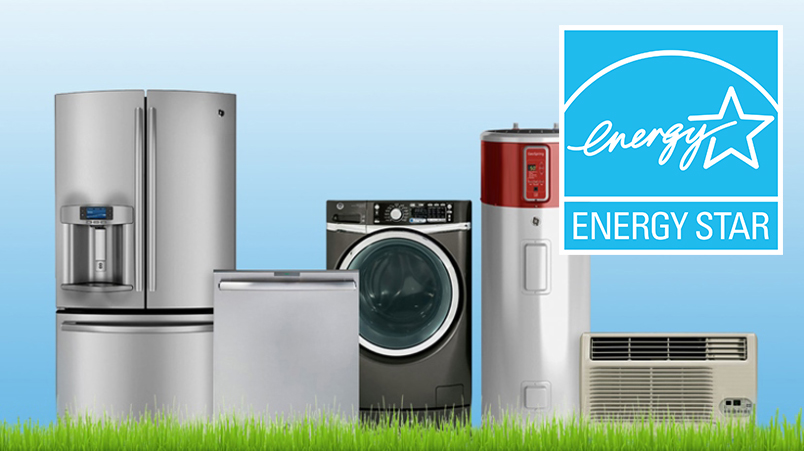
Image Source: ClearMax Windows
Your old appliances are working against you every single day. They’re quietly gobbling up electricity and driving your bills through the roof. But switching to ENERGY STAR certified models? That’s where the magic happens – you get superior performance while watching your energy costs drop.
We Offer QUALITY APPLIANCES That Actually Save Money
ENERGY STAR appliances bring some serious advantages to your home:
-
Quality and performance that matches or beats standard models while using way less energy
-
Lower utility bills with household savings hitting 20-50% on monthly energy costs
-
Environmental protection by cutting back on oil, gas, coal, and water consumption
-
Increased home value because buyers love energy-efficient homes
Appliance Upgrade Investment and Returns
Sure, these appliances cost a bit more upfront. But here’s the thing – they pay you back fast.
Take ENERGY STAR refrigerators. They run at least 15% more efficiently than regular models, saving you $30-40 every year. ENERGY STAR washers? They’ll save you $30-50 annually plus slash your water usage big time.
Most folks see their investment come back within just a few years. And since major appliances typically last 8-15 years, you’re looking at serious long-term savings after that payback period.
How These Appliances Cut Your Energy Bills
ENERGY STAR products use smart technology like better insulation, efficient compressors, moisture sensors, and intelligent features. Plus, many qualify for federal tax credits, making the switch even more affordable.
The bottom line? These aren’t just appliances – they’re money-saving machines that work for you 24/7.
Install a Heat Pump Water Heater

Image Source: Arbor
Water heating eats up about 20% of your home’s energy budget. That’s a big chunk of your monthly bills going straight to heating water! Swapping out your old conventional water heater for a heat pump model is one of the smartest energy moves you can make in 2026.
Heat pump water heater benefits
Heat pump water heaters work completely differently from regular models – they transfer heat instead of creating it. This simple difference delivers some pretty amazing results:
-
Superior efficiency: These units work 3-4 times more efficiently than standard electric water heaters
-
Substantial savings: The average family saves $330-550 every year on electric bills
-
Environmental benefits: They slash greenhouse gas emissions by about 85%
-
Longer lifespan: Heat pump water heaters typically run 10-15 years versus 8-12 years for conventional models
Heat pump water heater cost and ROI
You’re looking at $1,500-3,000 for the unit plus $1,000-3,000 for installation. But here’s the sweet part – federal tax credits cover 30% of your costs (up to $2,000), and many utilities throw in extra rebates.
Most families get their money back within 3-7 years. After that? Pure savings in your pocket.
How heat pump water heaters improve energy efficiency
These systems pull heat right out of the surrounding air and move it into the water tank. For best results, you’ll want to install them in spaces that stay between 40-90°F with at least 1,000 cubic feet of air space. Put them in naturally warm spots like furnace rooms and watch their already impressive efficiency climb even higher.
Use Low-Flow Showerheads and Faucet Aerators

Image Source: Energy Savings
Once you’ve tackled your water heating equipment, it’s time to look at the fixtures themselves. Showers and faucets gobble up about 17% of your home’s water use, making them perfect targets for some easy efficiency improvements.
Low-flow fixture benefits
Low-flow showerheads and faucet aerators pack a serious punch when it comes to savings, and you won’t even notice the difference in performance. These smart little devices can:
-
Slash shower water consumption by 40% or more
-
Cut both your water bills and energy costs at the same time
-
Reduce water heating energy needs by 10-15%
-
Take pressure off local water supplies by 20-60%
-
Help your water heater last longer by reducing its workload
Low-flow fixture cost and ROI
Here’s where it gets really good – low-flow fixtures won’t break the bank. Basic faucet aerators run just $2-10, while quality low-flow showerheads cost $15-50. Many utilities even hand them out free at local centers!
The money you’ll save is impressive. Swap out a standard 2.5 GPM showerhead for a 1.5 GPM model and you’ll typically save about $70 per year on water and energy costs. Some families report savings up to $162 yearly. WaterSense-labeled bathroom faucets alone can save around 700 gallons of water annually.
How low-flow fixtures improve energy efficiency
These fixtures work through some pretty clever engineering. Aerators mix air with water to keep the pressure strong while using less volume. Modern showerheads use pressure-compensating technology that gives you great spray patterns even with less water.
Federal rules cap new showerheads at 2.5 GPM and faucets at 2.2 GPM, but the real low-flow champions use 2.0 GPM or less for showers and 1.5 GPM or less for faucets. That’s where the real savings happen!
Add Solar Panels to Your Roof

Image Source: Illinois Renewables
Solar panels represent the crown jewel of home energy upgrades. We’re talking about turning your roof into a money-making machine that generates clean electricity for decades to come.
Solar panel benefits
Solar panels deliver serious advantages that go way beyond just cutting your electric bill:
-
Financial freedom from rising electricity costs, with monthly savings between $104-$250 depending on location
-
Home value increase of approximately 4-6% upon resale
-
Property tax exemptions in many states, preventing assessment increases
-
Energy independence during outages when paired with battery storage
-
Carbon footprint reduction with each kilowatt-hour offsetting about 0.85 pounds of CO₂ emissions
Solar panel cost and ROI
Solar panels require the biggest upfront investment, but the returns are outstanding:
Modern residential systems cost approximately $2.30-$2.60 per watt before incentives, with total installation averaging $20,000-$30,000 depending on size. The federal Residential Clean Energy Credit covers 30% of costs through 2032, which makes this a much more affordable investment.
The average solar payback period ranges from 5-15 years nationwide, with many homeowners breaking even in 8-10 years. After that point, you’re basically getting free electricity for 15+ additional years.
How solar panels improve energy efficiency
Solar panels work by generating clean electricity right where you need it. This means:
-
No transmission losses from power plants to your home
-
Predictable energy costs versus ever-increasing utility rates
-
Complete energy independence when you add battery storage
-
Protection against future utility rate increases, which climb 5% annually versus the historical 3%
You’re essentially locking in your electricity costs for the next 25+ years while watching your neighbors’ bills keep climbing.
Use Solar-Powered Outdoor Lighting

Image Source: Sigma Earth
Your outdoor lighting doesn’t have to keep adding to your electric bill month after month. Solar-powered alternatives give you an easy way to dip your toes into renewable energy without all the complexity of full rooftop systems. These neat little units soak up sunlight during the day, store it up, then automatically light up your yard after dark.
Solar lighting benefits
Solar outdoor lights pack some serious advantages that go way beyond just saving on electricity:
-
Zero operating costs – they won’t add a single penny to your monthly utility bills
-
Super simple installation – no wiring, no electrical connections, no need to call a pro
-
Automatic operation – most models have dusk-to-dawn sensors that handle everything for you
-
More time outdoors – you can actually enjoy your yard and pathways well into the evening
-
Better safety – lit walkways help prevent trips and falls while keeping unwanted visitors away
-
Environmental benefits – they run completely on renewable energy
Solar lighting cost and ROI
You’re looking at pretty reasonable costs here. Standard solar outdoor lights run $10-$50 for pathway markers and $50-$150 for security floodlights. Most homeowners get their money back within the first year just from not paying for electricity.
How solar lighting improves energy efficiency
These fixtures work through photovoltaic technology that turns sunlight directly into electricity. The power gets stored in rechargeable batteries that keep your lights running all night long. For the best results, put the panels where they’ll get maximum direct sunlight. Modern solar lights work pretty well even on cloudy days, though they won’t run quite as long.
Many newer models come with USB charging options so you can top off the batteries manually during long stretches of cloudy weather. Others have adjustable brightness settings that help the battery last longer while still giving you the light you need.
Plant Shade Trees Strategically

Image Source: National Recreation and Park Association
Sometimes the best home improvements come straight from Mother Nature herself. Strategic tree planting gives you one of the most beautiful energy efficiency solutions available – natural shade that dramatically cuts your cooling costs during those sweltering summer months.
Why Shade Trees Work So Well
Well-placed shade trees deliver benefits that go way beyond just looking pretty in your yard:
-
Slash cooling costs by up to 30% in hot climates
-
Drop air temperatures by 5-10°F in shaded areas
-
Cut air conditioning needs by nearly 25%
-
Boost property value and curb appeal
-
Clean the air as trees naturally absorb pollutants
What You’ll Spend and Save
Planting shade trees is a smart long-term investment that keeps paying you back. Each tree runs about $400 to purchase and have professionally planted. But here’s where it gets interesting – the financial returns blow that initial cost out of the water.
You’ll get $2.23 back for every dollar you put into shade trees. Most homeowners save $10-45 every year on energy costs per mature tree. Deciduous trees alone can slash your annual household energy consumption by 8-12%.
Getting the Most from Your Trees
Trees work as natural cooling systems through both shade and something called evapotranspiration. To get maximum benefit, plant your deciduous trees on:
-
West and south sides to block that brutal afternoon sun
-
East-facing walls for morning shade
-
Around your air conditioners to help them run more efficiently
Deciduous varieties give you the best of both worlds – they provide cooling shade in summer but drop their leaves in winter, letting that warm sunlight naturally heat your home.
Quick Reference Guide
Here’s everything you need to know at a glance. This table breaks down the real numbers so you can decide which upgrades make the most sense for your situation and budget.
|
Upgrade Type |
Initial Cost Range |
Annual Savings |
ROI/Payback Period |
Key Benefits |
|
Home Energy Audit |
$150-$900 |
5-30% on energy bills |
Few months |
Identifies specific efficiency problems, improves comfort, enhances safety |
|
Air Sealing |
~$10,000 |
10-25% on energy bills |
1-2 years |
Reduces drafts, improves indoor air quality, prevents moisture damage |
|
Attic/Wall Insulation |
Varies by type ($0.30-$7.50/sq ft) |
15% on energy bills |
$3 saved per $1 invested |
Consistent temperatures, noise reduction, moisture control |
|
ENERGY STAR® Windows |
$400-$1,600 per window |
12% on energy bills |
68.5% ROI |
Enhanced comfort, UV protection, sound reduction |
|
$200-$500 |
8-15% on heating/cooling |
18-28 months |
Remote access, learning capabilities, detailed energy tracking |
|
|
Heat Pump System |
$4,000-$8,000 |
$370-$1,000 |
3-7 years |
300% efficiency, dual heating/cooling, lower emissions |
|
HVAC Zoning |
$1,700-$4,500 |
Up to 30% on energy costs |
3-5 years |
Customized comfort, better air quality, temperature balance |
|
LED Lighting |
$3-$8 per bulb |
$225 |
6-8 months |
75% less energy use, 25x longer lifespan, improved safety |
|
Smart Power Strips |
$10-$15 |
$7.69-$13.30 |
1.1 years |
Eliminates vampire power, surge protection, remote control |
|
ENERGY STAR® Appliances |
Varies by appliance |
$30-$50 per appliance |
2-3 years |
Superior performance, reduced water usage, increased home value |
|
Heat Pump Water Heater |
$2,500-$6,000 |
$330-$550 |
3-7 years |
3-4x more efficient, longer lifespan, reduced emissions |
|
Low-Flow Fixtures |
$2-$50 |
$70-$162 |
Under 1 year |
40% less water use, reduced strain on water heater, immediate savings |
|
Solar Panels |
$20,000-$30,000 |
$104-$250/month |
5-15 years |
Energy independence, increased home value, tax benefits |
|
Solar Outdoor Lighting |
$10-$150 |
N/A |
~1 year |
Zero operating costs, simple installation, automatic operation |
|
Shade Trees |
~$400 per tree |
$10-$45 per tree |
$2.23 per $1 invested |
Reduces cooling costs up to 30%, improves air quality, increases property value |
Want to get started but not sure where to begin? Look for upgrades with payback periods under two years – those are your quick wins that put money back in your pocket fast.
Conclusion
Energy efficiency upgrades are hands down some of the smartest moves you can make for your home in 2026. We’ve covered 15 different ways to turn your house into an energy-saving machine that puts money back in your pocket every single month.
Here’s what you need to know about getting started. Some upgrades pay for themselves incredibly fast – we’re talking about LED bulbs, low-flow fixtures, and smart power strips that can return your investment in under a year! These are perfect first steps that don’t require a huge upfront investment.
Other improvements like heat pump systems, quality insulation, and solar panels need more cash up front, but they keep delivering savings for decades. The federal tax credits and utility rebates available right now make these bigger investments much more affordable than they’ve been in years.
The truth is, your home’s specific needs will determine which upgrades make the most sense for you. Got a house in Texas with scorching summers? You’ll probably want to focus on shade trees and efficient cooling systems first. Live somewhere with brutal winters? Insulation and heat pump systems should be at the top of your list.
That’s exactly why we recommend starting with a professional energy audit. Think of it as your personal roadmap to maximum savings – no guesswork required.
But here’s the thing that really matters: these upgrades don’t just save you money. They make your home more comfortable, quieter, and healthier to live in. You’ll have consistent temperatures throughout your house, cleaner indoor air, and the peace of mind that comes with lower utility bills.
The comparison table gives you a solid overview, but remember that combining several upgrades often creates even bigger benefits than doing them one at a time.
Your wallet will thank you, your family will be more comfortable, and you’ll be doing your part for the environment. The real question isn’t whether you should make these improvements – it’s which one you’re going to tackle first!
Ready to start saving? Give us a call and let’s discuss which energy efficiency upgrades make the most sense for your specific situation.
Key Takeaways
These 15 home energy efficiency upgrades offer proven pathways to reduce monthly bills while increasing property value and comfort in 2026.
• Start with a professional energy audit ($150-$900) to identify your home’s biggest energy waste areas and prioritize upgrades for maximum ROI
• Quick wins like LED lighting, smart power strips, and low-flow fixtures pay for themselves within 6-12 months with minimal upfront investment
• Air sealing and insulation upgrades deliver 15-25% energy savings and represent the most cost-effective improvements for long-term comfort
• Heat pump systems achieve 300% efficiency compared to traditional heating, saving $370-$1,000 annually with federal tax credits up to $2,000
• Solar panels remain compelling investments with 5-15 year payback periods, 30% federal tax credits, and potential to eliminate electricity bills entirely
The key to success lies in matching upgrades to your specific climate, home condition, and budget. Simple improvements create immediate savings, while comprehensive upgrades like heat pumps and solar panels deliver decades of financial returns that far exceed their initial costs.
FAQs
Q1. Which energy-efficient home upgrades offer the best return on investment? The upgrades with the highest ROI include attic insulation (nearly 100% ROI), energy-efficient windows (70-80% ROI), smart thermostats, LED lighting, and improved weatherstripping and air sealing. These improvements tend to pay for themselves quickly through energy savings and increased home value.
Q2. What qualifies as an energy-efficient home improvement? Energy-efficient home improvements typically include upgrades to exterior doors, windows, skylights, insulation, HVAC systems (like central air conditioners, furnaces, and heat pumps), water heaters, and biomass stoves. Many of these improvements may qualify for federal tax credits if they meet specific energy efficiency standards.
Q3. How much can I save on energy bills with these upgrades? Savings vary depending on the upgrades, but homeowners can expect significant reductions. For example, proper air sealing and insulation can cut energy bills by 15-25%, while LED lighting can reduce lighting energy use by 75%. Heat pump systems can save $370-$1,000 annually on heating and cooling costs.
Q4. Are there any financial incentives for making energy-efficient home improvements? Yes, there are several incentives available. The federal government offers tax credits for many energy-efficient upgrades, including a 30% credit (up to $2,000) for heat pumps and a 30% credit for solar panel installations. Additionally, many state and local utilities provide rebates for energy-efficient appliances and improvements.
Q5. How long does it typically take to recoup the costs of energy-efficient upgrades? Payback periods vary by upgrade. Simple improvements like LED lighting and low-flow fixtures can pay for themselves in less than a year. More substantial upgrades like heat pump systems or solar panels generally have payback periods of 3-15 years, after which they continue to generate savings for many more years.